Dental emergencies can happen at any moment, and understanding how to handle them is essential for preserving oral health. Various situations may arise, including severe toothaches, broken teeth, or injuries to the gums. Knowing the appropriate steps to take during these emergencies not only aids in immediate care but also sets the stage for effective treatment by professionals.
Before involving a dental professional, it is crucial to identify the type of emergency. Here are some common situations:
- Severe Toothache: Often caused by tooth decay or infection, this can indicate an underlying issue requiring urgent care.
- Broken or Chipped Tooth: Accidents can lead to fractures that may expose the nerve or compromise the tooth.
- Knocked-Out Tooth: This situation demands immediate action to improve the chances of saving the tooth.
- Soft Tissue Injuries: Cuts or lacerations in the gums or cheeks from accidents can lead to bleeding and pain.
After identifying the emergency, here are the actions to take:
- Severe Toothache: Rinse the mouth with warm water and use dental floss to remove any trapped food. Avoid placing aspirin on the tooth or gums.
- For Broken Teeth: Rinse the mouth gently and apply a cold compress to reduce swelling. Ensuring the affected area is clean is vital.
- In Case of a Knocked-Out Tooth: Handle the tooth by the crown (not the root) and rinse it gently. Reinsert it into the socket if possible, or place it in a container with milk and seek immediate dental assistance.
- Soft Tissue Injuries: Clean the area with warm water and apply a clean cloth to control bleeding. If bleeding persists, consult a dentist promptly.
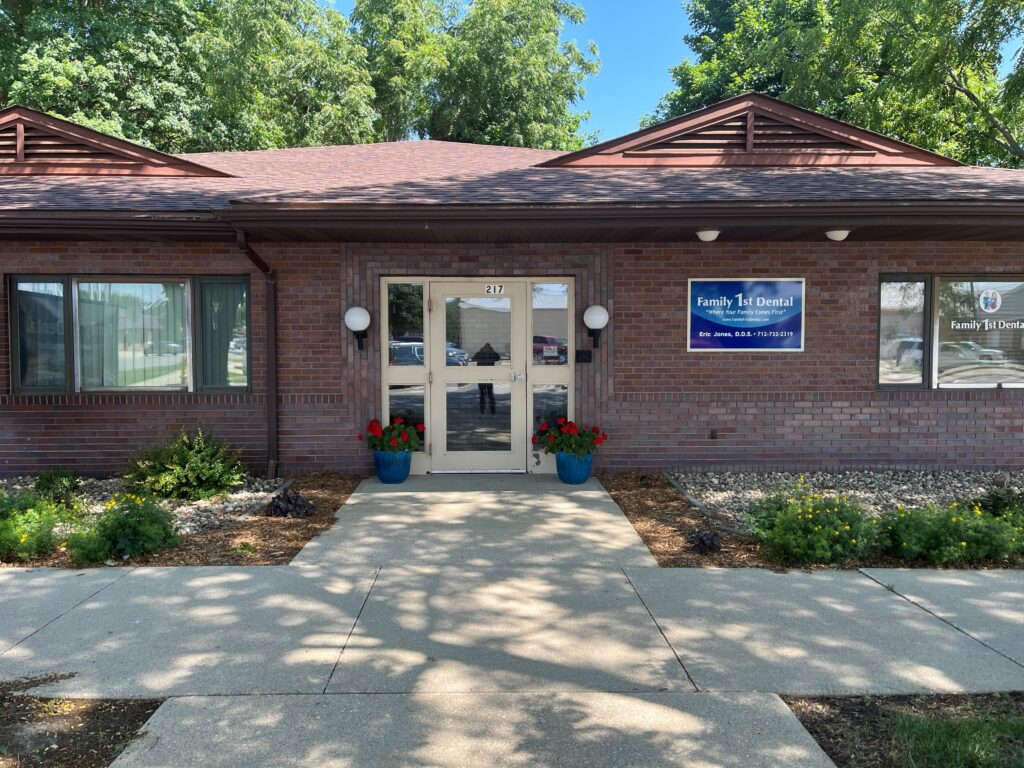
After taking initial steps, the next critical action is to contact a dentist. Family 1st Dental – Storm Lake is equipped to handle emergencies effectively and compassionately. The team will guide you through what to expect during your visit and help alleviate any concerns. It is essential to visit promptly for the best outcomes. You can learn more by visiting Family 1st Dental – Storm Lake.
Handling dental emergencies with confidence can make a significant difference in outcomes. Knowing the steps to take and contacting a professional immediately are crucial. The team at Family 1st Dental is ready to assist you in any emergency, ensuring your comfort and care. For more information or to schedule an appointment, you can visit Family 1st Dental – Storm Lake or connect with us on Facebook.
What are the common types of dental emergencies?
Common types of dental emergencies include severe toothaches, broken or chipped teeth, knocked-out teeth, and soft tissue injuries resulting from accidents. Identifying the type of emergency is important for determining the appropriate steps to take for immediate care and further treatment.
What should I do in case of a severe toothache?
For a severe toothache, it's advised to rinse the mouth with warm water and use dental floss to remove any trapped food. Avoid placing aspirin directly on the tooth or gums, as this could cause further irritation.
How should I handle a knocked-out tooth?
If a tooth is knocked out, handle it by the crown and gently rinse it. If possible, reinsert it into its socket or place it in a container with milk and seek immediate dental assistance to improve the chances of saving the tooth.
What steps should I take for soft tissue injuries in the mouth?
In the case of soft tissue injuries, clean the area with warm water and apply a clean cloth to control any bleeding. If the bleeding continues, it's important to consult a dentist without delay for further evaluation and care.
Why is it important to contact a dentist after a dental emergency?
Contacting a dentist after a dental emergency is crucial as professional care can address underlying issues and set the stage for effective treatment. Family 1st Dental – Storm Lake is equipped to provide timely emergency care and support during such situations.